From Rembrandt to AI in the streets of Amsterdam This post was written by Tuna Tasan-Kok. As part of UGoveRN’s International Workshop on Digital Urban Governance, we kicked off our two-day event in Amsterdam with a unique walking excursion that …


From Rembrandt to AI in the streets of Amsterdam This post was written by Tuna Tasan-Kok. As part of UGoveRN’s International Workshop on Digital Urban Governance, we kicked off our two-day event in Amsterdam with a unique walking excursion that …

This post was written by Tuna Taşan-Kok. On a crisp spring afternoon in Amsterdam, UGoveRN and the Urban Planning (UP) Group welcomed Professor Patrick Le Galès (Sciences Po, Paris) to deliver a keynote as part of our ongoing UP Dialogues Series. …

This post was written by Mathew Idiculla. Indian cities routinely face various types of water crises, ranging from acute water scarcity to devasting urban flooding. In March 2024, as the summer was setting in, Bengaluru was staring at an unprecedented …
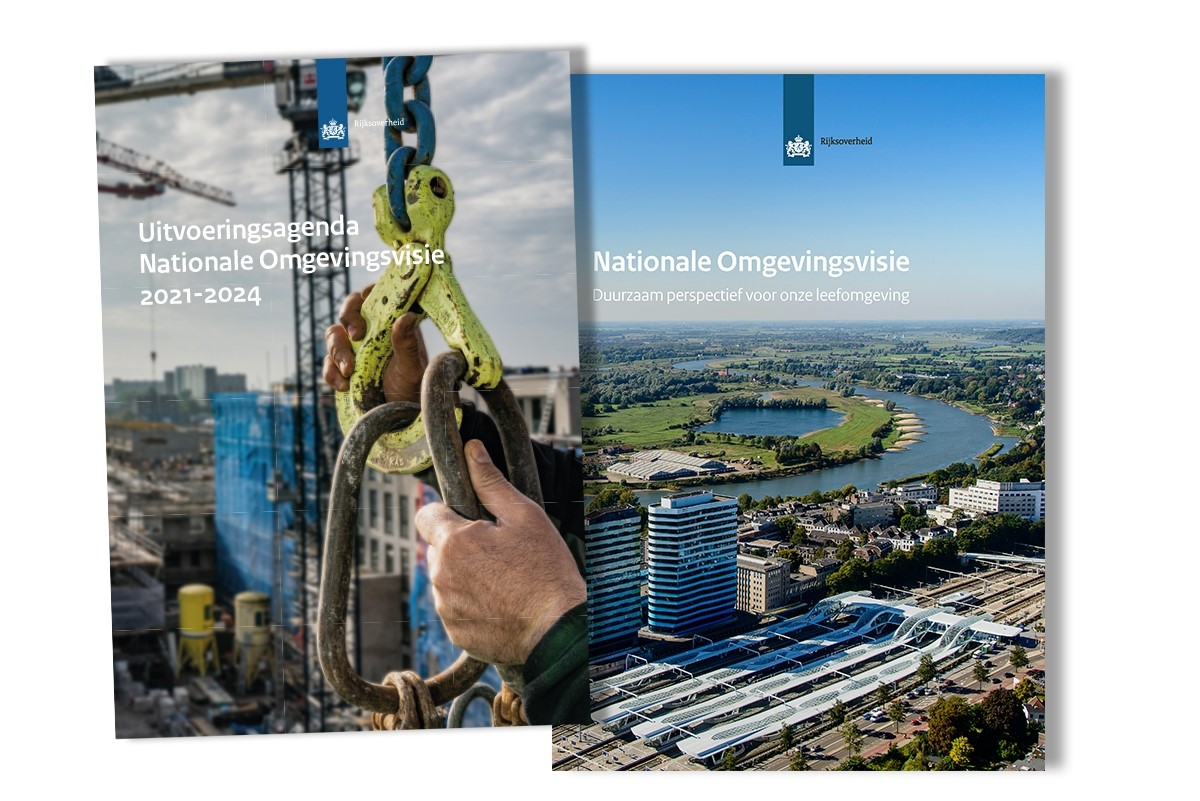
This post was written by David Evers. [The text was originally published in Dutch in Rooilijn, which can be accessed here: https://www.rooilijn.nl/artikelen/zin-en-onzin-van-decentralisatie/] After two decades of decentralizing spatial planning, the National Environment and Planning Strategy (NOVI) announced more national control. Afterwards, …

Learning From Urban Realities of Ordinary Cities This post was written by Güldem Özatağan. In their recent UGoverN blogpost, Avni and Alster (2024) grabbed a significant contemporary trend: the growing tensions between local governments and illiberal states. This tension is …

A research agenda This post was written by Nufar Avni and Tal Alster. Our research project aims to unpack the trend of local governments seeking more autonomy in the face of rising tensions with the nation-state. In recent years, we …

This post was written by Tuna Tasan-Kok. Adaptive regulation is characterized by a regulatory framework that is flexible, iterative, and capable of adapting to dynamic and unforeseen circumstances. It acknowledges the significance of continuous learning, experimentation, and adaptation. In contrast …

This post was written by Tuna Tasan-Kok. We developed a conceptual perspective arguing that complex institutional and organisational arrangements in market-driven urban development can be comprehended through fragmented governance architectures. We propose an original thesis: entrepreneurial urban governance requires, and …

How local problems become internationally relevant This post was written by Tobias Arnoldussen. In the sociology of law it is readily acknowledged that if you as a private person have a certain problem and want to have it addressed, you …

In a new publication, Igor Pessoa investigates the potential of self-organized initiatives to disrupt the underlying dynamics of spatial fragmentation in Brazilian metropolises by fostering social connections among diverse groups. As a governance researcher, he is interested in the relationship …